Environment
Sustainable Manufacturing Footprint Efficiency Projects
Using Discarded Corn Seed for Fuel
As we work to increase our sustainability efforts, we are examining innovative ways to reduce the environmental footprint of our sites. From recycling efforts to emissions, we’re constantly looking for ways to reduce and reuse our materials.
In 2007, our manufacturing operation located at the Muscatine, Iowa, plant began using discarded corn seed as supplemental fuel in their coal-fired boiler. Normally, this seed is shipped to third party incinerators or landfills to be destroyed or disposed of.
The Muscatine team found that they could burn the seed on premise, and the results were outstanding. Since 2007, the plant has been able to burn approximately 8,000 tons of seed per year, displacing 4,500 tons per year of coal. The financial impact was just as impressive. Monsanto was able to save approximately $800,000 per year between the reduced coal costs at Muscatine and the reduced costs of discard seed disposal from the seed sites. In 2012, the Muscatine plant was able to further increase the amount of seed corn burned, resulting in an additional $106,000 per year in fuel savings and $50,000 annually in avoided disposal costs.
BURNING 8,000 TONS OF SEEDS PER YEAR DISPLACES 4,500 TONS OF COAL
Additionally, beyond the plant, this program led to a reduction of the carbon footprint in the community. The plant cut its carbon dioxide levels by 10,600 tons. And as an added benefit, the corn is a cleaner burning fuel than coal, resulting in a reduction of 19 tons of sulfur dioxide annually.

GRI EN 6 GRI EN 27 Changes in Packaging Make a Huge Difference
Our manufacturing operation located in São José dos Campos, Brazil is constantly looking for new ways to improve their environmental performance. One project stands out for making incredible strides towards new levels of sustainability for packaging.
The Ecoplastica Triex packaging for Roundup® agricultural herbicides reuses and recycles plastic gallons of pesticides collected from the field. This sustainable approach contributes to 45 percent less greenhouse gas emissions, or 3.6 kg less CO2 than traditional packaging.
For their pioneering efforts in the use of recycling packaging for herbicides, the São José dos Campos manufacturing operation received the Brazilian “50 Good Companies” award.
The São José dos Campos plant is also an example of how our sustainability focus is changing not only the products we create, but also how we create them. Working with partners, suppliers, customers and internal teams, this plant has created a blueprint that makes us proud, and we look to implement this initiative at all of our plants.
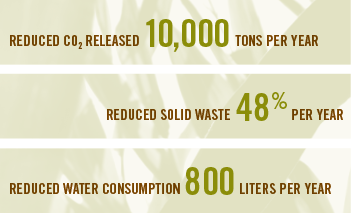
Through their energy conservation projects, they were able to reduce the amount of CO2 released into the atmosphere by 10,000 tons yearly. They reduced solid waste by 48 percent and reduced the amount of water consumption by 800 million liters per year.